Showing posts with label Tempest. Show all posts
Tuesday, September 11, 2012
Bob Dylan's new album
Dylan's new album, Tempest, releases today! Read my review here. Then, go buy it here, or wherever you like to buy your music.
Labels:
Bob Dylan,
Bob Dylan new album,
Dylan,
Dylan Tempest Review,
Tempest
Thursday, September 6, 2012
Dylan's Tempest: Such stuff as dreams are made on
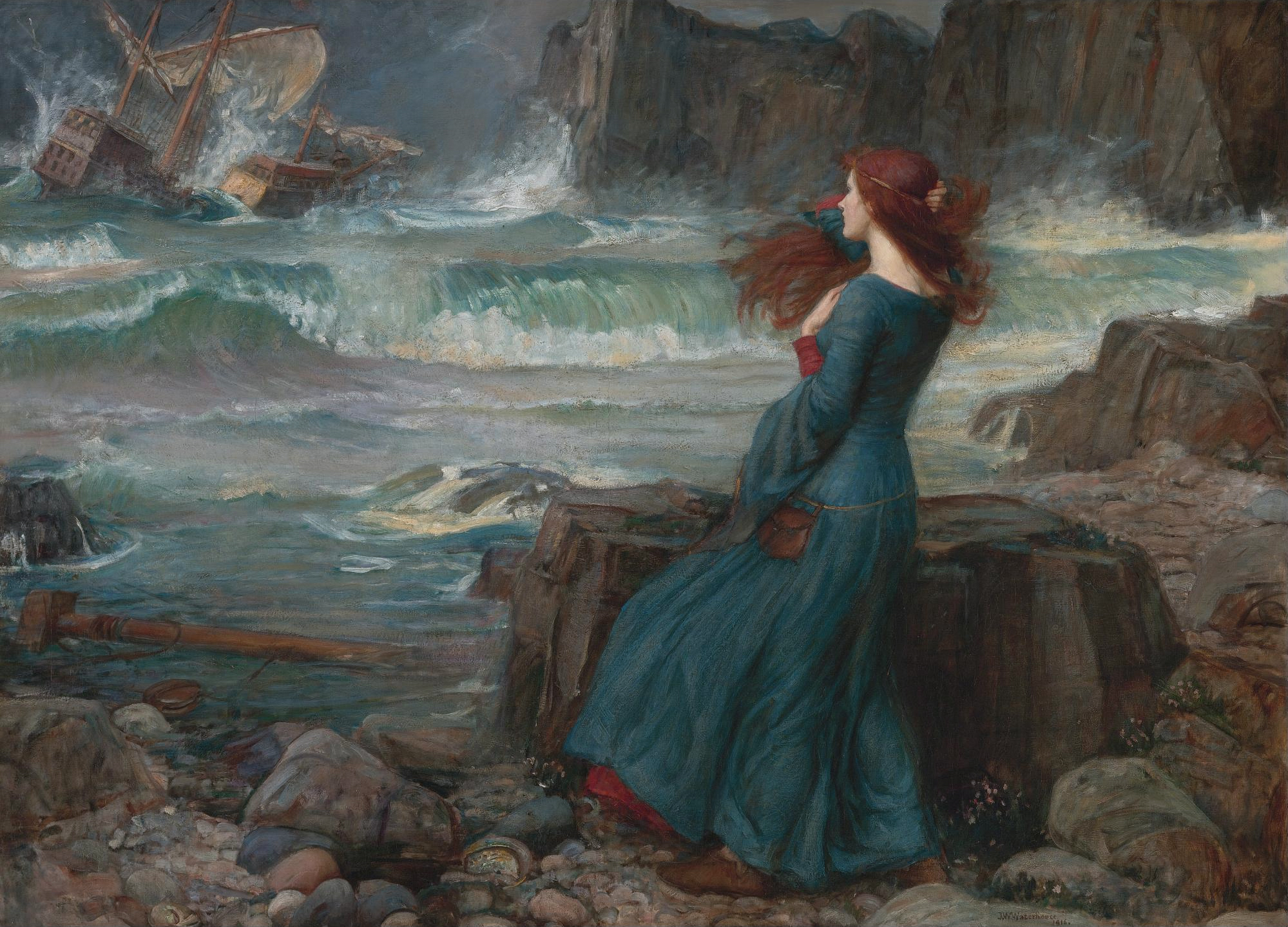
As someone who studies Bob Dylan and literary classics side by side, it's difficult for me to avoid comparing Dylan’s latest album, Tempest, with Shakespeare's play of the same name. Both the play and the album were written toward the end of the respective writers’ careers, both represent the culmination of a lifetime of work, and both are infused with magic. When Dylan sings, “I’ve got a date with the fairy queen,” on the track “Soon After Midnight,” we could easily envision him on Shakespeare’s magical island, and over the scene of a sinking ship in the album's title track looms the hand of a dark Prospero figure, as "the wizard's curse play[s] on." The entire album is peppered with Dylan’s characteristic mystical visions interwoven with random bits of the Bible and pop culture references (a character named “Leo” with “a sketchbook” shows up in a song about the sinking of the Titanic, and “Roll on John,” a tribute to John Lennon, is full of snatches of Beatles lyrics). The lyrical pastiche is matched by the musical one, as Dylan weaves rockabilly, blues, 1930s jazz, folk, gospel, and Southern-Gothic spookiness into his signature -- magical -- style.
In addition to the similarities of career timing and magical tone between the two works are similarities of theme. Both Shakespeare’s and Dylan’s Tempests are works about endings. For Dylan, as usual, it’s all about the end of the world, from the opening track's train whistle, "blowin' like the sky's gonna' blow apart," to the album's closing image of John Lennon, who Dylan conflates somewhat with another John, the author of Revelation, as he sits "cooped up on that island" "like any other slave" (John of the Bible apparently wrote the book of Revelation while imprisoned on the island of Patmos). Nowhere is the apocalyptic tone more evident than on the album's title track, which seems to be not only about the sinking of the Titanic, but about final judgment and destruction. For fourteen minutes, Dylan sings with a Celtic-influenced-lilt of the great ship's doom, which also involves "the sky split" into a "whirlwind," "the veil...torn asunder," "the changing of [the] world," and "the judgment of God's hand."
In Shakespeare’s Tempest, the end is also at hand, but for his Prospero, it is the end of a lifetime of magic -- and for Shakespeare, the end of a lifetime of work. Like Shakespeare's Prospero, Dylan is at the height of his powers in his Tempest, but unlike Prospero, Dylan won't be drowning his magic book anytime soon. Though Tempest marks the 50th anniversary of Dylan's first studio release, this album does not seem like a statement of farewell. No -- Dylan is not finished yet, as he reminds us with that gravelly croon on "Soon After Midnight": "It's soon after midnight, and my day has just begun..."
Listen to Dylan's Tempest here; you can also pre-order it on iTunes or here on Amazon.
To brush up on your Shakespeare, read The Tempest here.
In addition to the similarities of career timing and magical tone between the two works are similarities of theme. Both Shakespeare’s and Dylan’s Tempests are works about endings. For Dylan, as usual, it’s all about the end of the world, from the opening track's train whistle, "blowin' like the sky's gonna' blow apart," to the album's closing image of John Lennon, who Dylan conflates somewhat with another John, the author of Revelation, as he sits "cooped up on that island" "like any other slave" (John of the Bible apparently wrote the book of Revelation while imprisoned on the island of Patmos). Nowhere is the apocalyptic tone more evident than on the album's title track, which seems to be not only about the sinking of the Titanic, but about final judgment and destruction. For fourteen minutes, Dylan sings with a Celtic-influenced-lilt of the great ship's doom, which also involves "the sky split" into a "whirlwind," "the veil...torn asunder," "the changing of [the] world," and "the judgment of God's hand."
In Shakespeare’s Tempest, the end is also at hand, but for his Prospero, it is the end of a lifetime of magic -- and for Shakespeare, the end of a lifetime of work. Like Shakespeare's Prospero, Dylan is at the height of his powers in his Tempest, but unlike Prospero, Dylan won't be drowning his magic book anytime soon. Though Tempest marks the 50th anniversary of Dylan's first studio release, this album does not seem like a statement of farewell. No -- Dylan is not finished yet, as he reminds us with that gravelly croon on "Soon After Midnight": "It's soon after midnight, and my day has just begun..."
Listen to Dylan's Tempest here; you can also pre-order it on iTunes or here on Amazon.
To brush up on your Shakespeare, read The Tempest here.
Dylan's Tempest
I just listened to Bob Dylan's new album, Tempest. It officially releases next Tuesday, Sept. 11, but you can stream the album in its entirety now on itunes.
I'm going to post an actual review, later, but I just wanted to say that if you are a fan of Dylan at all you should go listen to the album right now -- it's beautiful and mysterious and dark and lovely and the perfect way to celebrate the 50th anniversary of Dylan's first studio release.
More to come, later...
I'm going to post an actual review, later, but I just wanted to say that if you are a fan of Dylan at all you should go listen to the album right now -- it's beautiful and mysterious and dark and lovely and the perfect way to celebrate the 50th anniversary of Dylan's first studio release.
More to come, later...
Subscribe to:
Posts (Atom)